

First Kiss
for Lips
Her mouth
fell into my mouth
like a summer snow, like a
5th season, like a fresh Eden,
like Eden when Eve made God
whimper with the liquid
tilt of her hips—
her kiss hurt like that—
I mean, it was as if she’d mixed
the sweat of an angel
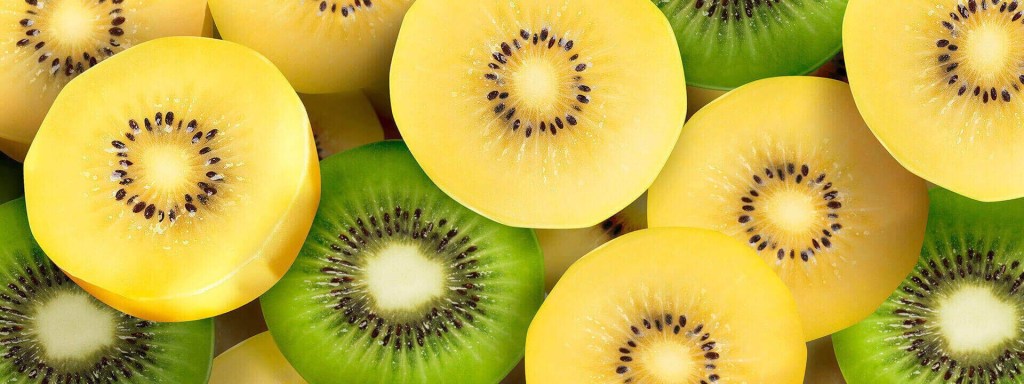
with the taste of a tangerine,
I swear. My mouth
had been a helmet forever
greased with secrets, my mouth
a dead-end street a little bit
lit by teeth—my heart, a clam
slammed shut at the bottom of a dark,
but her mouth pulled up
like a baby-blue Cadillac
packed with canaries driven
by a toucan—I swear
those lips said bright
wings when we kissed, wild
and precise—as if she were
teaching a seahorse to speak—
her mouth so careful, chumming
the first vowel from my throat
until my brain was a piano
banged loud, hammered like that—
it was like, I swear her tongue
was Saturn’s 7th moon—
hot like that, hot
and cold and circling,
circling, turning me
into a glad planet—
sun on one side, night pouring
her slow hand over the other: one fire
flying the kite of another.
Her kiss, I swear—if the Great
Mother rushed open the moon
like a gift and you were there
to feel your shadow finally
unhooked from your wrist.
That’d be it, but even sweeter—
like a riot of peg-legged priests
on pogo-sticks, up and up,
this way and this, not
falling but on and on
like that, badly behaved
but holy—I swear! That
kiss: both lips utterly committed
to the world like a Peace Corps,
like a free store, forever and always
a new city—no locks, no walls, just
doors—like that, I swear,
like that.
Tim Seibles
In order to think, to understand something, we often find it helpful to relate it, or compare it, to something else: to help someone understand something unfamiliar (Schakel&Ridl,1997, p.82)
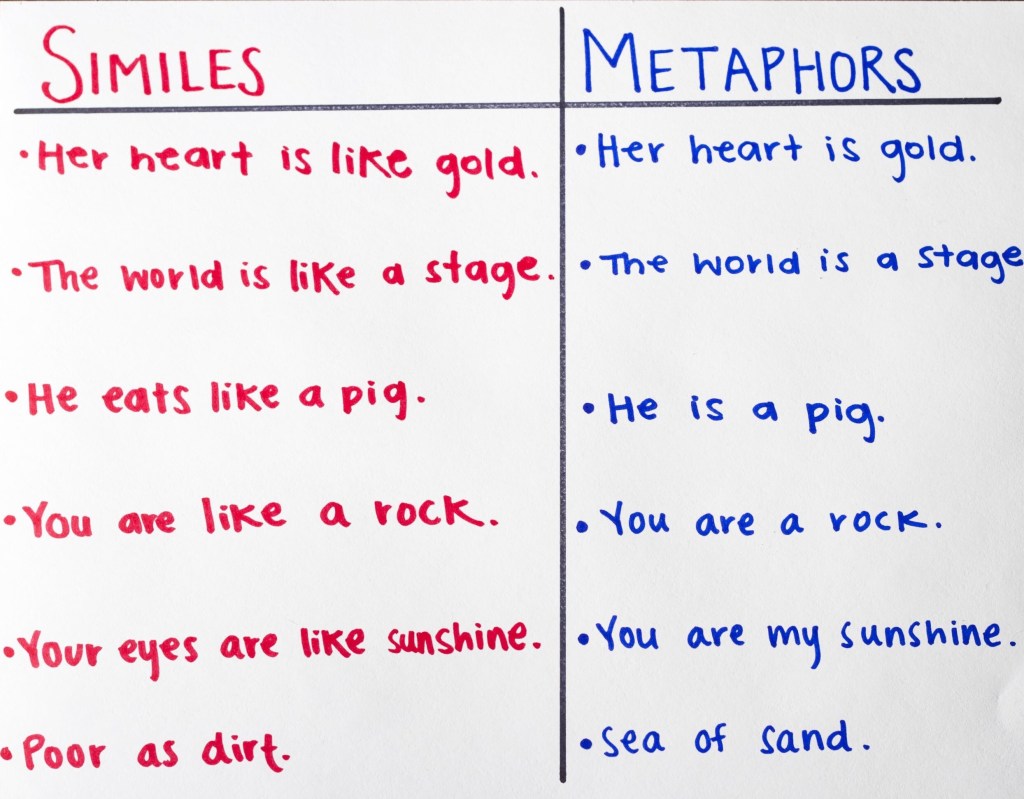
METAPHOR: The figurative action in a metaphor involves identifying one thing with another that is dissimilar to it
SIMILE: It is a direct or explicit comparison, using such signal words as: like, as, than or similar to.
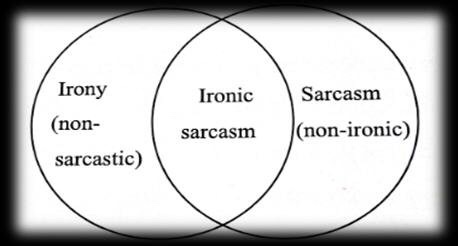
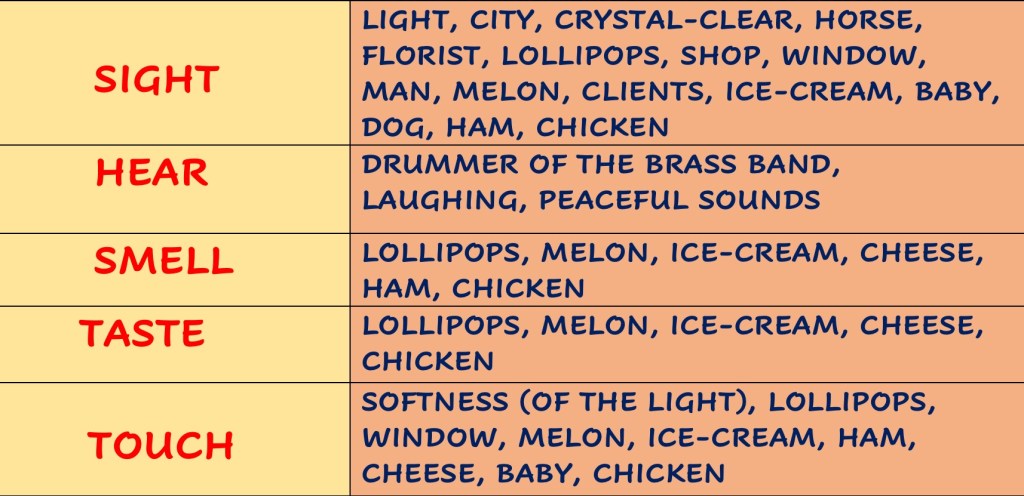
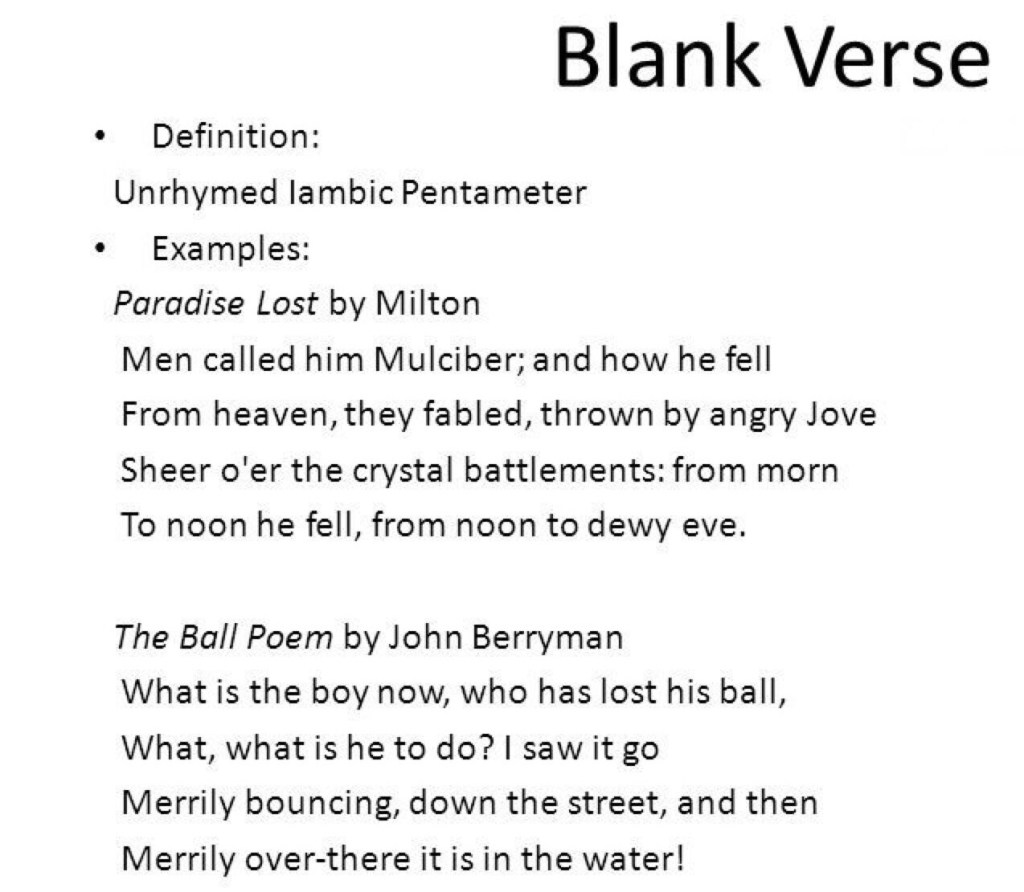
Please notice the following chart to have a clearer idea.
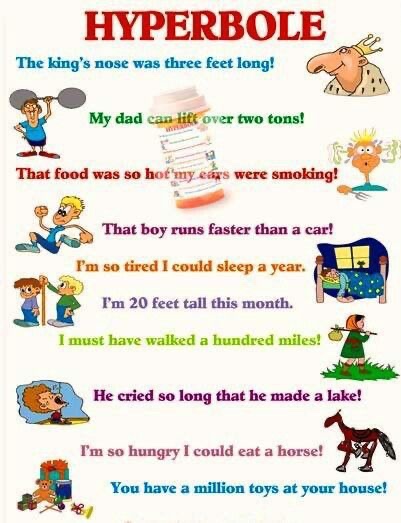
HYPERBOLE: It is also called an overstatement. (From the greek ¨Throwing beyond¨) it means to state something more strongly than is warranted, to exaggerate.
Examples from the poem
Metaphor: My mouth
had been a helmet forever
greased with secrets
my mouth
a dead-end street
my heart, a clam
slammed shut at the bottom of a dark
Simile: Her mouth
fell into my mouth
like a summer snow, like a
5th season, like a fresh Eden,
like Eden when Eve made God
Hyperbole:
Her mouth
fell into my mouth
one fire
flying the kite of another.
PERSONIFICATION: It is a special variant of a metaphor. By definition, personification involves treating something nonhuman as if it had human characteristics or acted in a human way. Sometimes abstract qualities are treated as if they were human.
METONYMY: It is a substitution. When two things that initially seem unlike are neither compared not identified; instead one thing replaces the other, calling the original to mind in a fresh way. Substituting the name of one thing for that of something closely associated with it.
SYNECDOCHE: It is a subset of metonymy. It is a substitution of a part of a thing for the whole of which it is a apart. Synechdoque is a latin word meaning ¨receive together¨.
TRANSFERRED EPITHET: A term used to describe or characterize a person or thing. It is moving, or changing, a word from one situation to another. It occurs when a modifier (usually an adjective) that, in ordinary speech, would apply to one word shifts to modify another word, one that it does not logically fit.
Please, watch the following video to understand better the ¨Transferred epithet¨figure of speech.
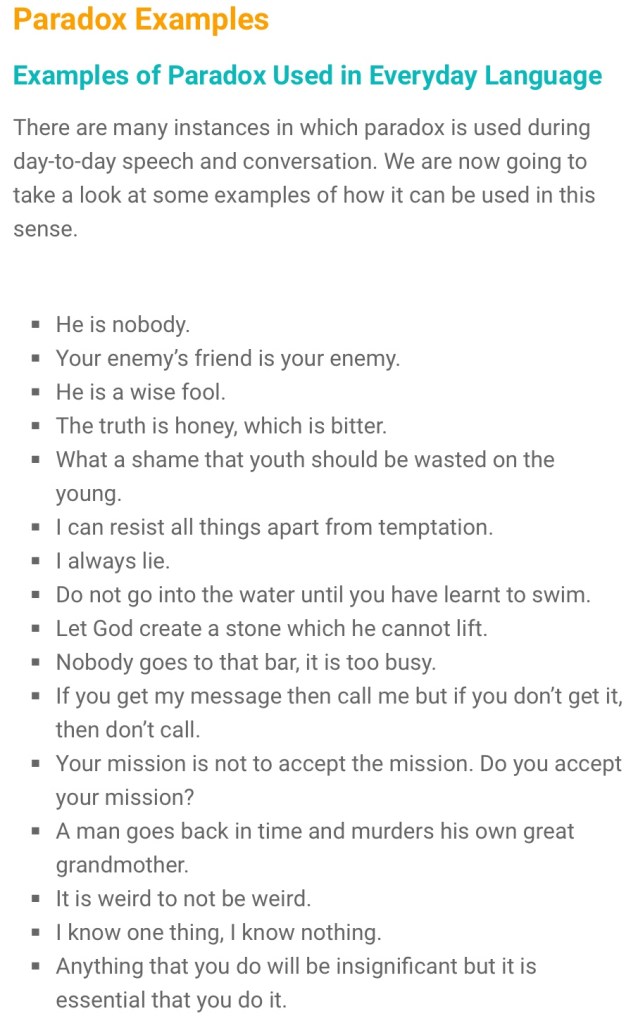
PARADOX: A figurative movement from apparent contradiction to resolution. That is, a statement that seems initially to be self-contradictory or absurd but that turns out to make good sense.
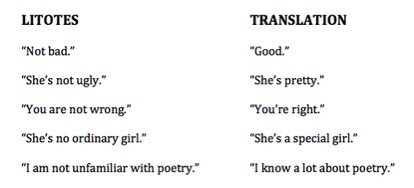
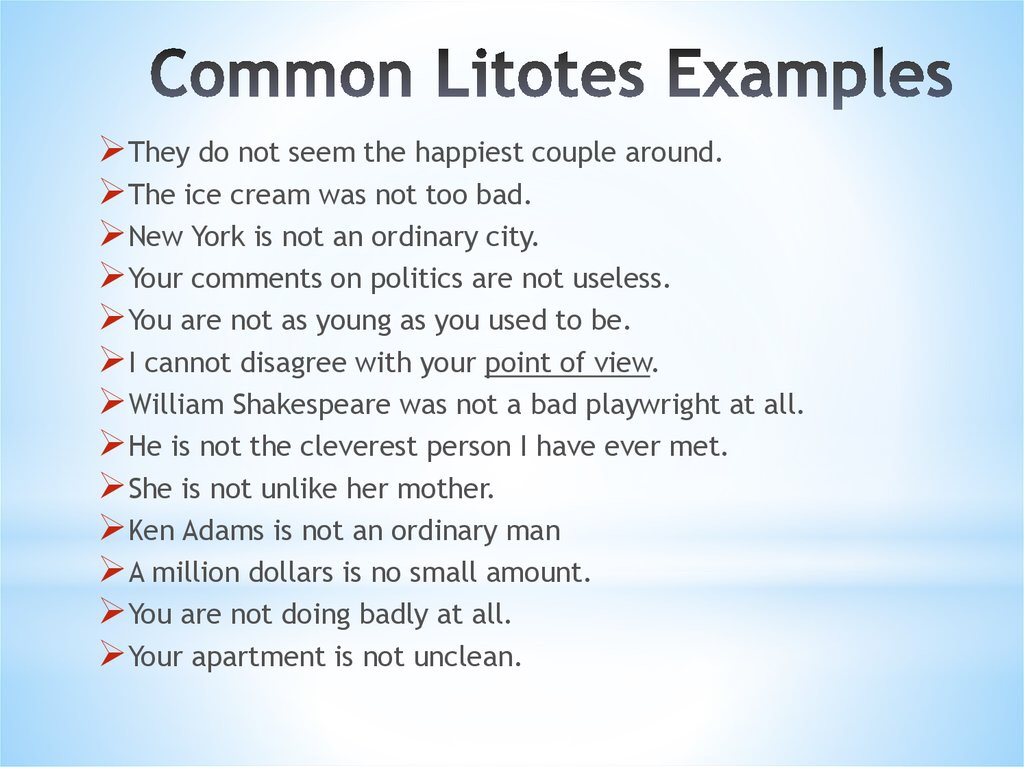
UNDERSTATEMENT or LITOTES: It phrases something in an unexpectedly restrained way. Paradoxically, to deemphasize through understatement can be a way of emphasizing, of making people react with ¨there must be more to it than that
Some examples you use every day are:
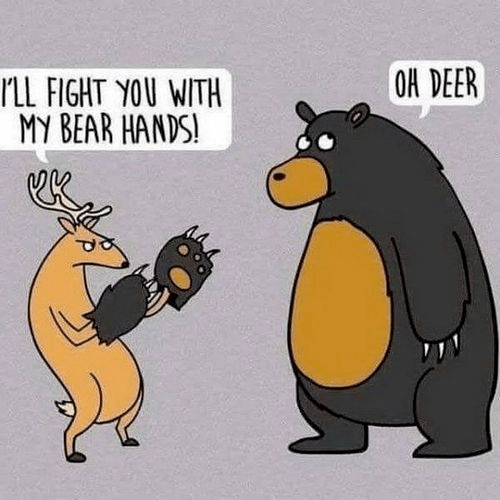
PUN: A figurative action of bringing together, often humorously, two or more different meanings of the same word, or different words that sound alike.
Some examples in poems we have read:
Metonymy: There was a man who found two leaves and came indoors holding them out saying to his parents that he was a tree.
The whole line is a representation is representation of how metonymy would be. (Rusel Edson, ¨The Fall¨pp.18)
Synecdoche: I thought the earth remembered me (¨Sleeping in the forest¨ Mary Oliver. pp. 87
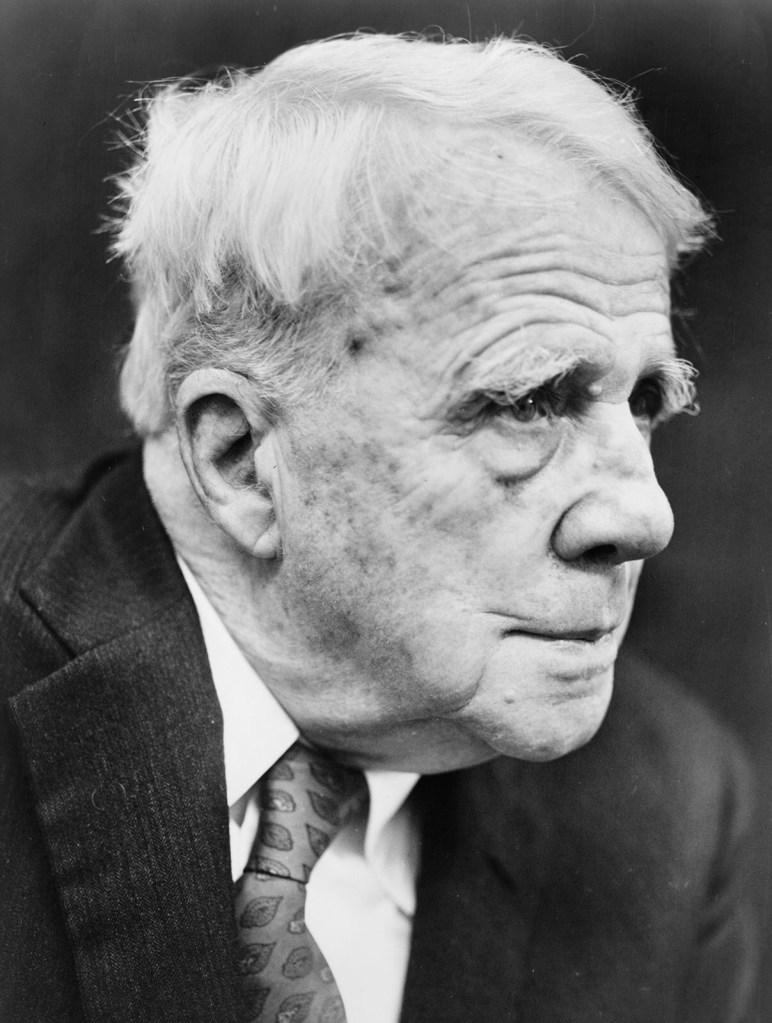
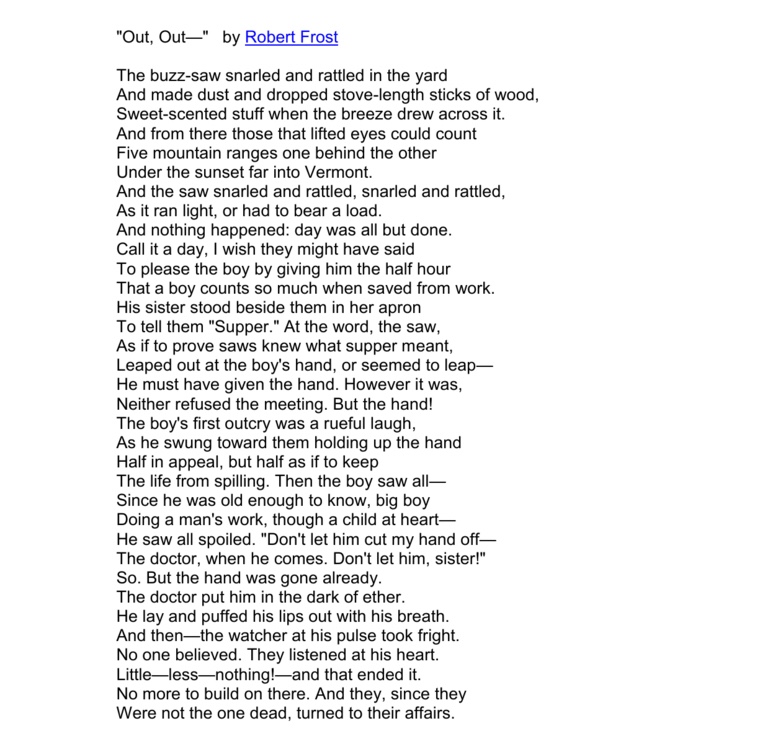
Paradox: The boy´s first outcry was a rueful laugh (¨Out, Out¨ Robert Frost. pp. 21,22 )
Pun: check the following poem by Rusell Edson ¨The Fall¨
page 18 Approaching Poetry.
The Fall
There was a man who found two leaves and came indoors holding them out saying to his parents that he was a tree.
To which they said then go into the yard and do not grow in the living-room as your roots may ruin the carpet.
He said I was fooling I am not a tree and he dropped his leaves.
But his parents said look it is fall.
The whole poem was a fun representation
Symbols are images or actions that suggest or mean something in addition to themselves.
A literary symbol: It is an image or an action in the poem (or story or play) that can be seen, smelled, touched, heard, tasted or experienced imaginatively, but that also convey abstract meanings beyond itself.
Example from the peom ¨ The First Kiss¨
¨the sweat of an angel
with the taste of a tangerine,¨ (10 & 11 line)
Archetype: They are images used again and again in myths, folktales, fairy tales and religious writings, stories and poems that reflect original patterns. Archetypes are original patterns or models from which later things are made .
Example from the Poem ¨The First Kiss¨
Summer snow, Eve, Eden, Angel, God, Heart













 Poetry